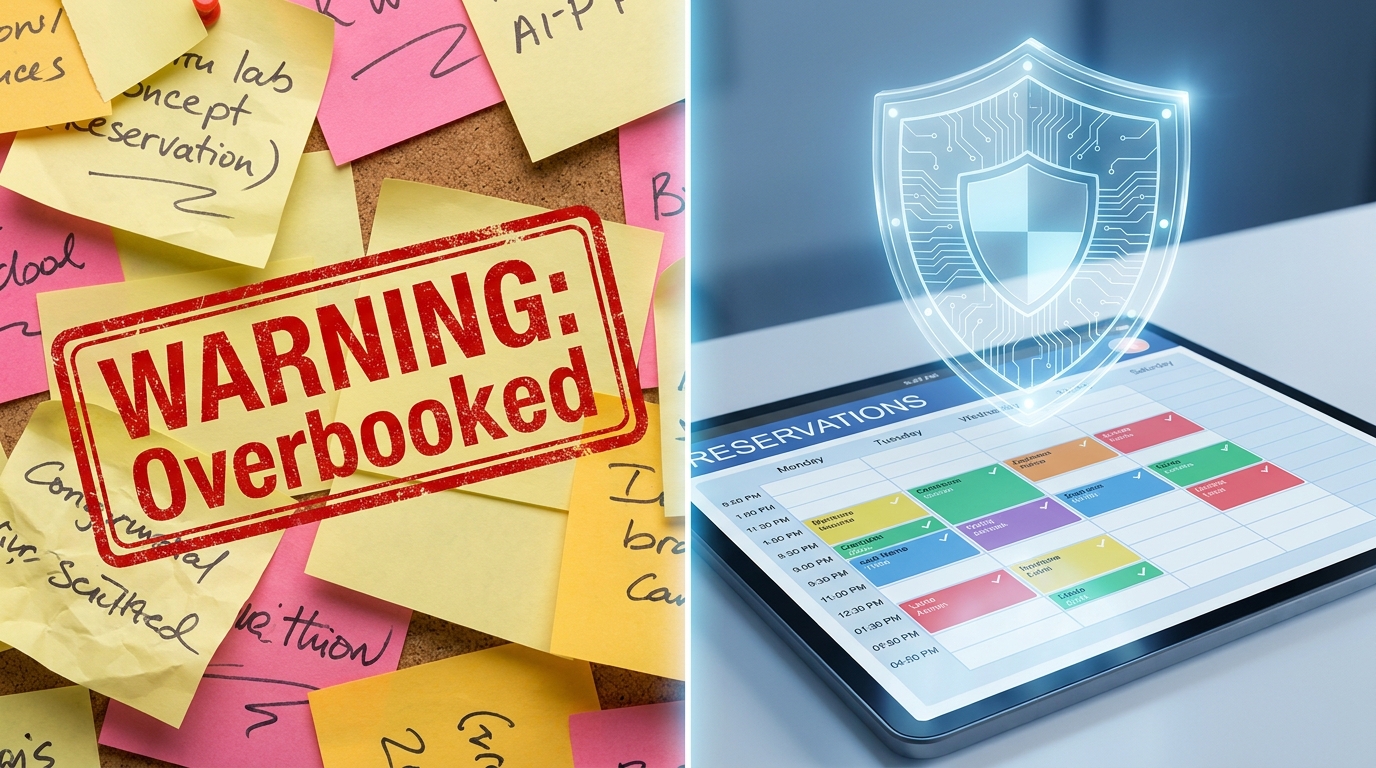
For operators scaling a short-term rental portfolio, physical keys and mechanical lockboxes are no longer just an inconvenience; they are a severe operational and security liability. If your guests are still fumbling with a frozen combination dial at 2:00 AM, or if you are paying a property manager to physically drive to a unit to hand over a key, your operations are fundamentally broken.
The traditional lockbox presents a massive security loophole. The combination is rarely changed between stays, meaning dozens of previous guests, cleaners, and maintenance vendors share the exact same access to your property. Keys get copied, lost, or accidentally taken home, resulting in frantic locksmith calls and terrible guest reviews.
In 2026, scaling a hospitality enterprise requires deploying enterprise-grade remote property management tech. By utilizing advanced API software to bridge the gap between your booking calendar and your physical front door, you can completely automate vacation rental check in workflows. Here is the definitive technical guide on how to integrate smart locks with your channel manager to create a secure, frictionless, and zero-touch arrival experience for your guests.
The Architecture of Automated Access
To achieve true automation, you must construct a digital bridge between your reservation data and your door hardware. This requires three core components: the Online Travel Agency (OTA) like VRBO or Airbnb, a centralized Channel Manager or Property Management System (PMS), and a cloud-connected smart lock.
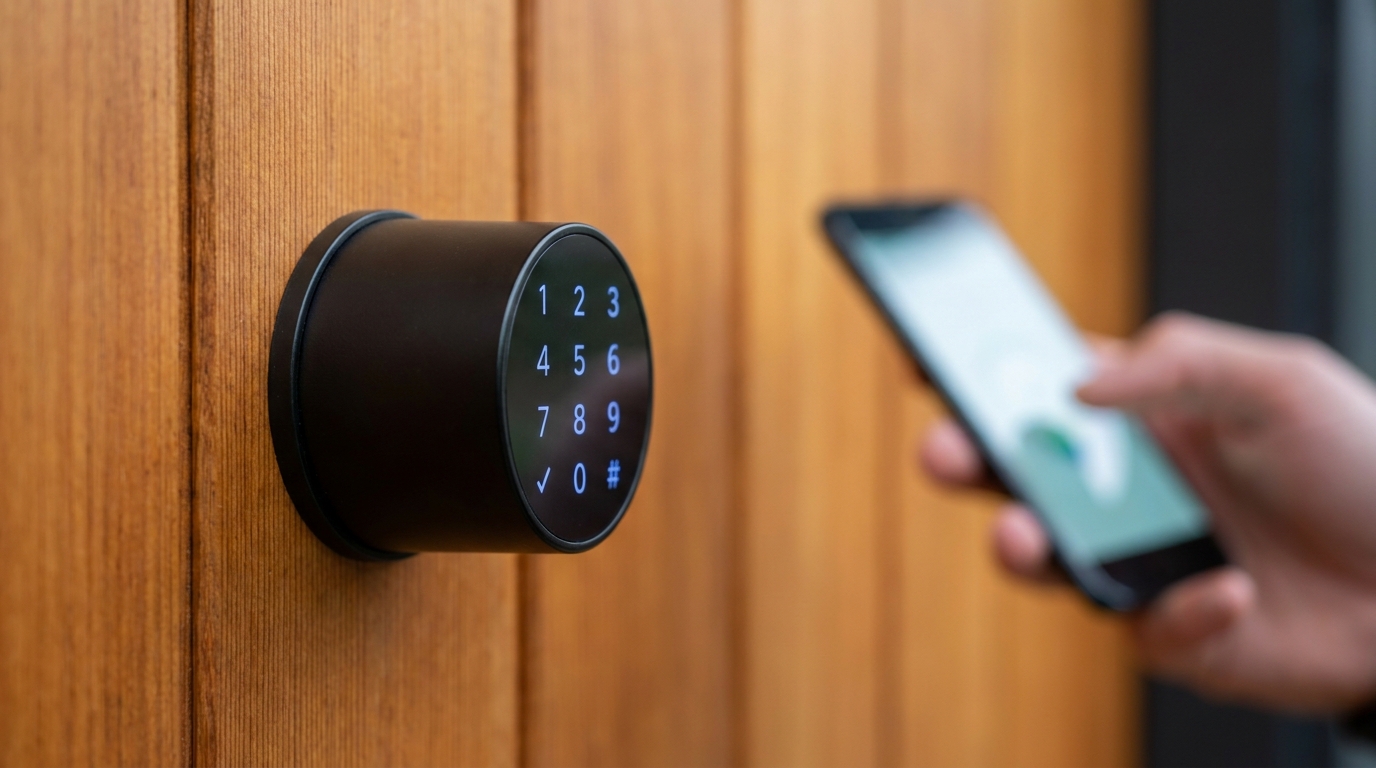
When evaluating hardware, the schlage encode channel manager integration is widely considered the gold standard in the vacation rental industry. Unlike older Z-Wave locks that require a fragile, third-party smart home hub to communicate with the internet, the Schlage Encode series features a built-in WiFi radio. It connects directly to the property’s local router and communicates natively with the cloud.
Top-tier channel managers—such as Guesty, Hostaway, or Hospitable—utilize direct API connections (or middleware access control software like RemoteLock) to communicate with the lock’s cloud servers. This two-way data highway allows the software to program the physical lock remotely, without a human ever visiting the property.
Generating the Unique Guest PIN
The core function of this IoT integration is the ability to automatically generate unique door codes airbnb and VRBO guests can use for the exact duration of their stay.
Here is exactly how the automated provisioning workflow executes in the background:
-
The Trigger: A guest confirms a reservation on VRBO for an upcoming weekend.
-
The API Call: VRBO pushes the reservation data (dates, times, guest name, and phone number) to your central channel manager.
-
Code Generation: The channel manager’s automation engine intercepts the booking and instantly requests a new access code from the smart lock via API.
-
The Phone Number Standard: To ensure the guest never forgets their code, the software is programmed to automatically use the last four digits of the guest’s verified cell phone number as their unique PIN. This drastically reduces late-night support calls from guests who lost their email instructions.
Time-Sensitive Security: Activation and Expiration
A unique PIN code is useless if it grants permanent access. The true power of a comprehensive airbnb smart lock integration is the precise, time-sensitive scheduling of the digital key.
When the channel manager provisions the code to the smart lock, it attaches strict chronological parameters based on the reservation data. The code remains completely dormant until the exact moment of your official check-in time (e.g., 4:00 PM on the day of arrival). If a guest arrives three hours early and attempts to enter the code, the lock will flash red and deny entry, ensuring they do not walk in on your cleaning crew during a tight turnover.
Conversely, the exact minute checkout time passes (e.g., 11:00 AM on the day of departure), the channel manager instantly expires the code and deletes it from the lock’s memory. This digital revocation provides absolute peace of mind, mathematically guaranteeing that a former guest cannot re-enter the property to steal belongings or sleep in a vacant unit.
Closing the Loop: Automated Guest Communication
Programming the lock is only half the battle. To fully remove your staff from the check-in process, the code must be flawlessly delivered to the guest.
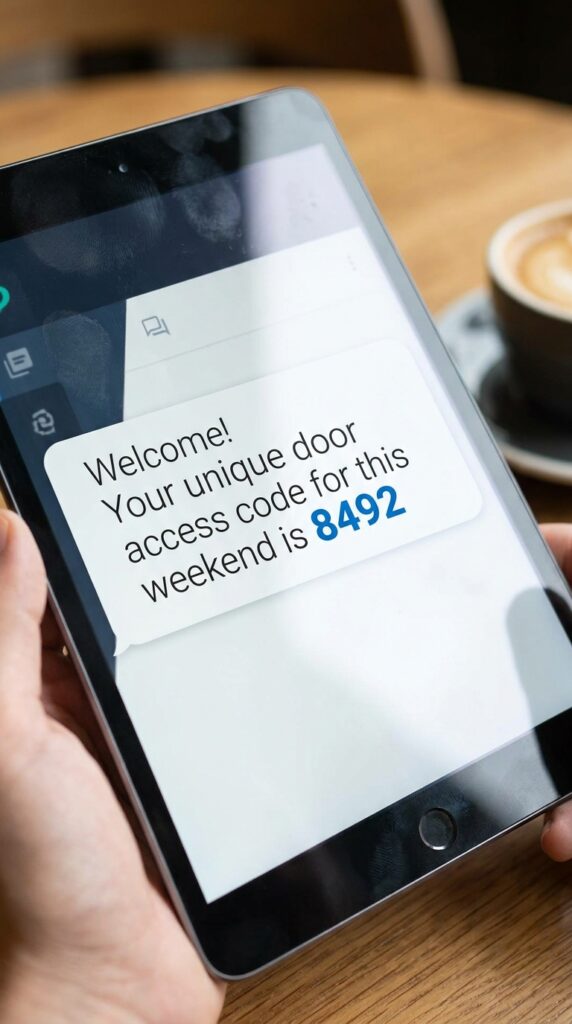
Because your channel manager controls both the smart lock integration and your unified OTA inbox, it can bridge the communication gap automatically. You configure a scheduled “Check-In Instructions” message template within the software. The software utilizes dynamic “shortcodes” or variables (e.g., [smart_lock_code]) within the message text.
Exactly 48 hours before the guest’s arrival, the channel manager drafts the message, injects the guest’s unique 4-digit PIN into the placeholder, and automatically sends it directly through the VRBO or Airbnb messaging app. The guest receives a highly personalized, perfectly accurate set of entry instructions, and your reservations team never had to type a single word.
Handling the Exceptions: Battery Monitoring and Backup Codes
While API automation is highly reliable, IoT hardware is subject to physical limitations. WiFi routers drop offline, and AA batteries eventually die. An elite operations director always builds redundancy into their tech stack.
Your channel manager’s dashboard will continuously monitor the battery voltage of your smart locks, triggering a high-priority automated task for your local maintenance team when a lock drops below 20% battery life. Furthermore, you should always program a permanent, hidden “Master Backup Code” into the lock. If the API fails to sync a guest’s code due to an internet outage at the property, your support team can manually provide the backup code to ensure the guest gets inside immediately.
Transitioning away from physical keys is the single highest-leverage operational upgrade a short-term rental business can make. By integrating direct-to-WiFi smart locks with a powerful channel manager, you eliminate security loopholes, drastically reduce your labor costs, and provide a seamless, modern arrival experience that leads directly to five-star reviews. Invest in the digital infrastructure, automate your access, and watch your hospitality portfolio scale.
Technical Disclaimer: The IoT integrations, access control architectures, and software configurations detailed in this guide are for B2B educational and operational planning purposes only. They do not constitute formal IT security or legal advice. Smart lock API capabilities, software compatibility, and OTA messaging protocols change frequently. Always test your automated check-in workflows in a staging environment and consult with your software vendor before deploying remote access technology across your entire rental portfolio.